
Practical steel fixing guidance from Konstruct Steel — drawn from active sites across metropolitan Adelaide, the Adelaide Hills, Fleurieu Peninsula and regional South Australia.
Steel fixing is often described as a trade that either holds a programme together or quietly unravels it. At Konstruct Steel Fixing PTY LTD, we see that tension every week: a slab package that should pour on Thursday but stalls because mesh laps were assumed rather than verified; a high-rise level where crane windows and formwork release dates have drifted apart from the reinforcement schedule; a civil corridor job where traffic management changes overnight and the fixing crew must re-sequence without compromising cover or lap lengths. These are not abstract risks — they are the daily operating environment for structural concrete in South Australia.
We publish these insights to share how we think about reinforcement quality, coordination and handover on real projects. Our perspective is deliberately site-facing. We are not engineers issuing design advice, and nothing here replaces project-specific engineering sign-off. What we offer is contractor-level clarity: what we check before concrete arrives, how we align with tower crane cycles, where mesh and bar packages commonly fail inspection, and how drawing revisions are absorbed without blowing the pour date.
South Australian construction has its own rhythms. Summer heat affects curing programmes and often compresses early-morning pour windows. Winter rains on civil corridors can change access and dewatering assumptions within a single shift. Supply lead times for mesh and bar vary by fabricator and gauge, and metropolitan Adelaide sites frequently juggle tight laydown areas, shared tower cranes and concurrent trades in the same pour zone. Our articles reflect those constraints because that is where steel fixing either earns its margin or becomes the critical path.
Whether you are a builder, site manager, project engineer or estimator reviewing a steel fixing package, we hope these notes help you anticipate the questions our foremen will ask at handover — and the standards we hold ourselves to before we call a zone ready for engineer inspection and concrete placement.
Topics covered in this series
Each article below addresses a specific failure mode or coordination pressure we encounter on South Australian sites — not generic industry commentary. Mesh lap verification reflects the most common residential and commercial slab hold point. Tower crane cycle alignment captures the reality of multi-storey Adelaide builds where vertical transport governs everything. Cover and chair discipline addresses the detail level where inspections are won or lost. Civil corridor work documents the distinct safety and programme environment of road and drainage packages. Pre-pour readiness explains our internal handover standard. Drawing revision management describes how we absorb design change without silent programme slip.
We update this library as site conditions and builder expectations evolve. If a topic would help your project team — post-tensioning coordination, bored pier cage installation, or reinforcement around precast interfaces — contact us and we will consider it for a future note.
Engaging Konstruct on your project? These insights reflect how we work, not marketing claims. The same discipline described here is embedded in our quotations, site coordination and handover process. Request a quotation or contact us to discuss your reinforcement package.
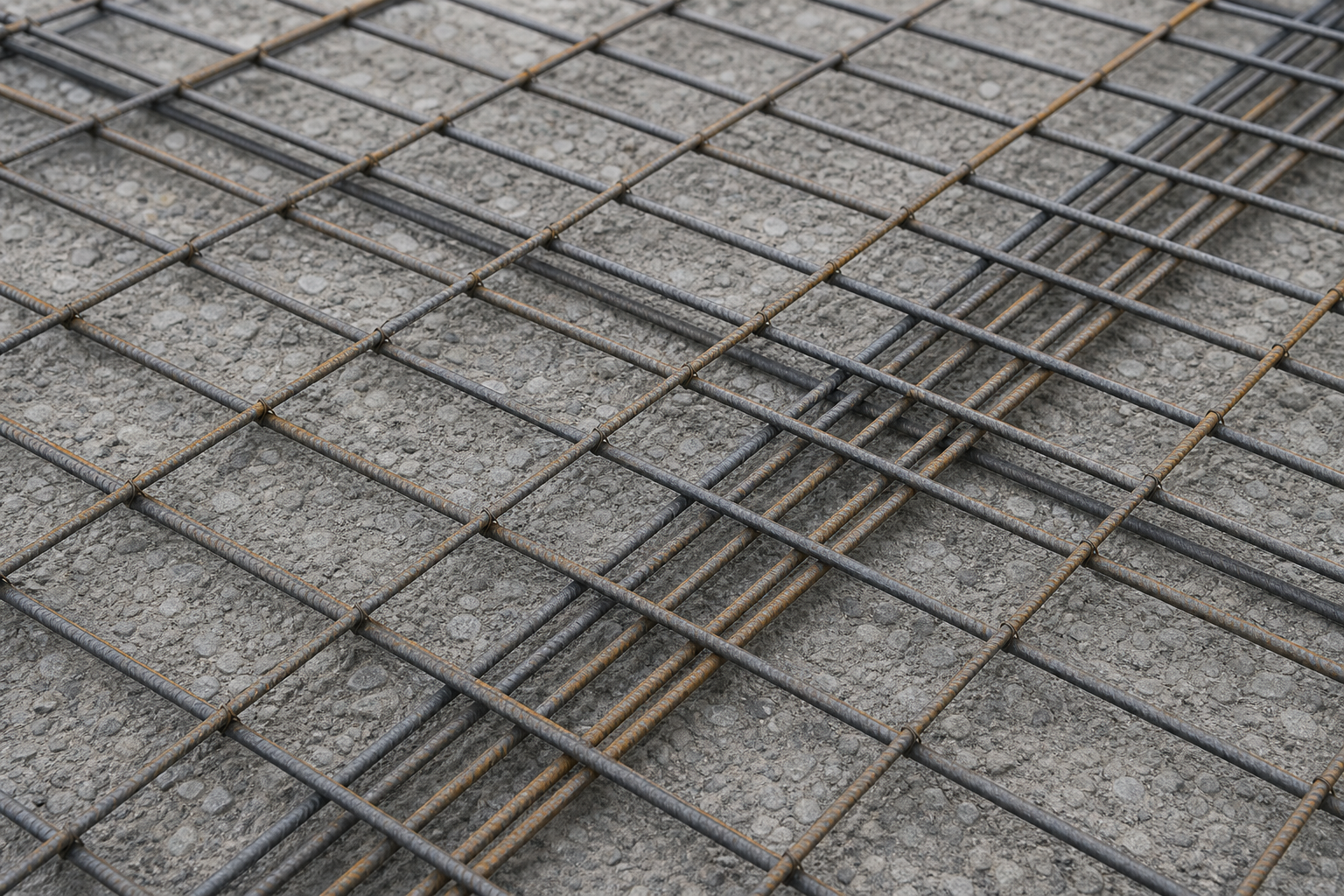
Mesh Lap Lengths: What We Verify On Site
How we measure, mark and document mesh overlaps before pour — and why assumed laps are the most common slab hold point in SA residential and commercial work.
Read insight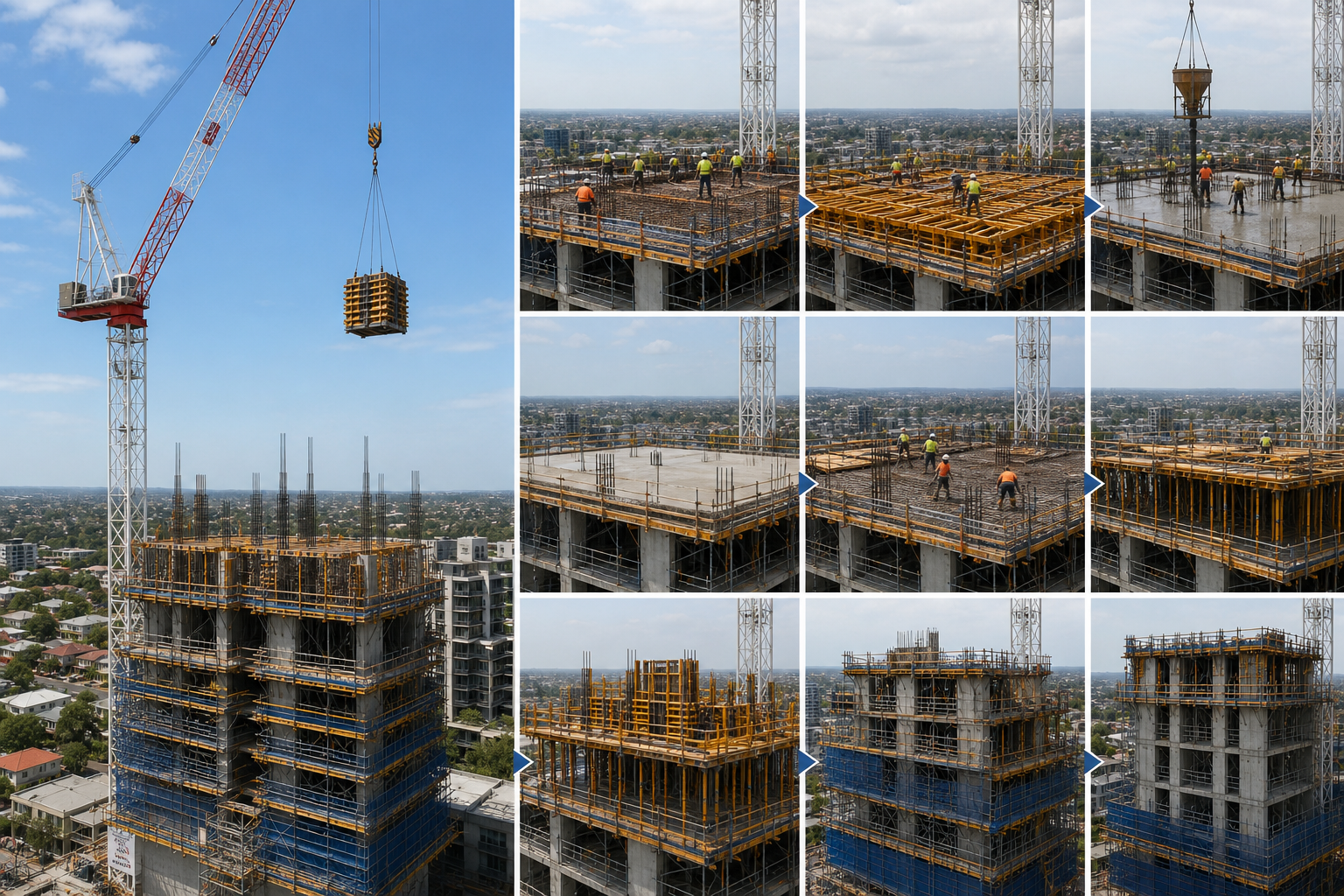
Coordinating Steel Fixing With Tower Crane Cycles
Aligning bar and mesh deliveries, level sequencing and inspection windows with crane availability on multi-storey Adelaide towers.
Read insight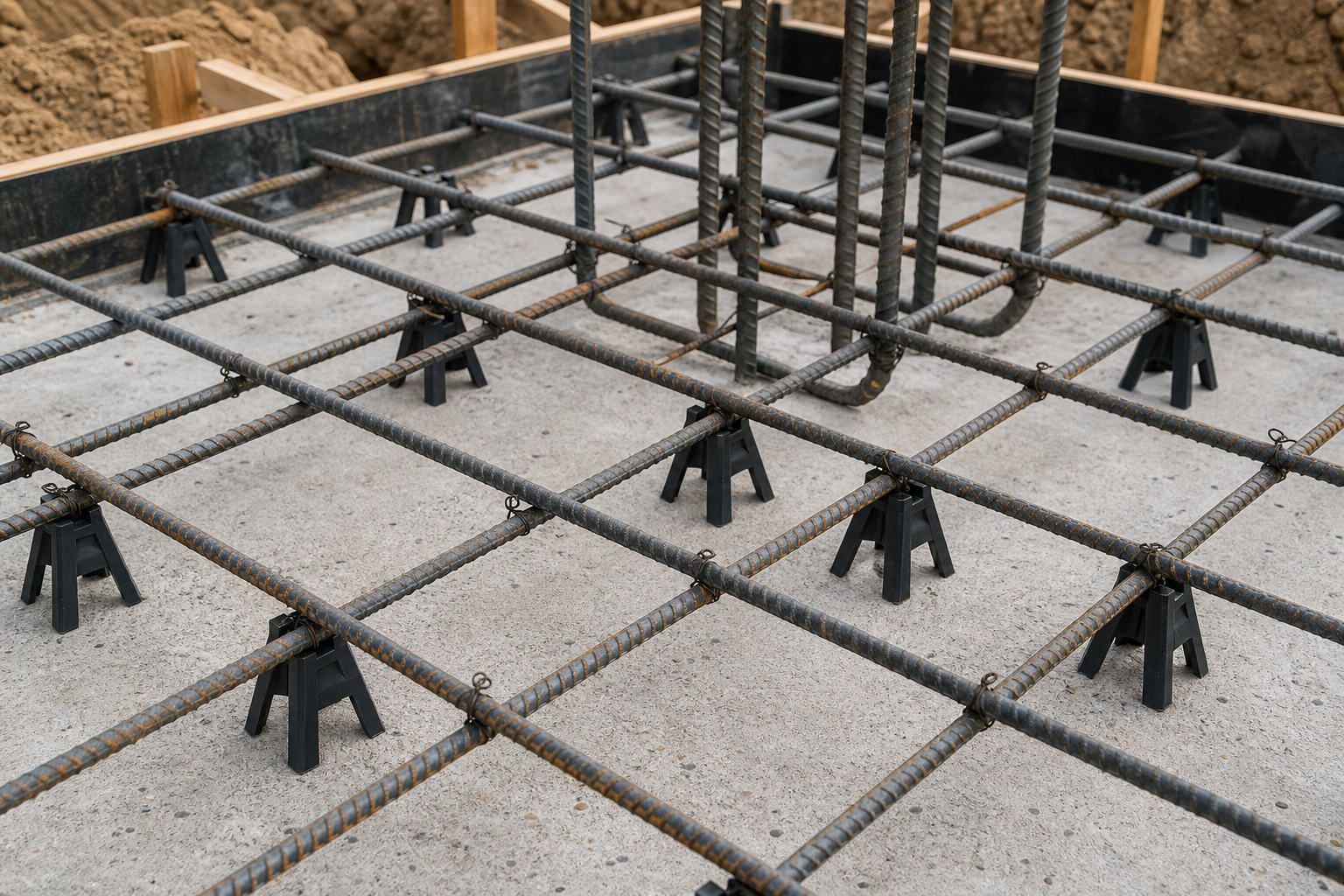
Cover, Chairs and Bar Support: Common Failure Points
The reinforcement details that most often fail engineer hold points — and the chairing and spacer habits we enforce before sign-off.
Read insight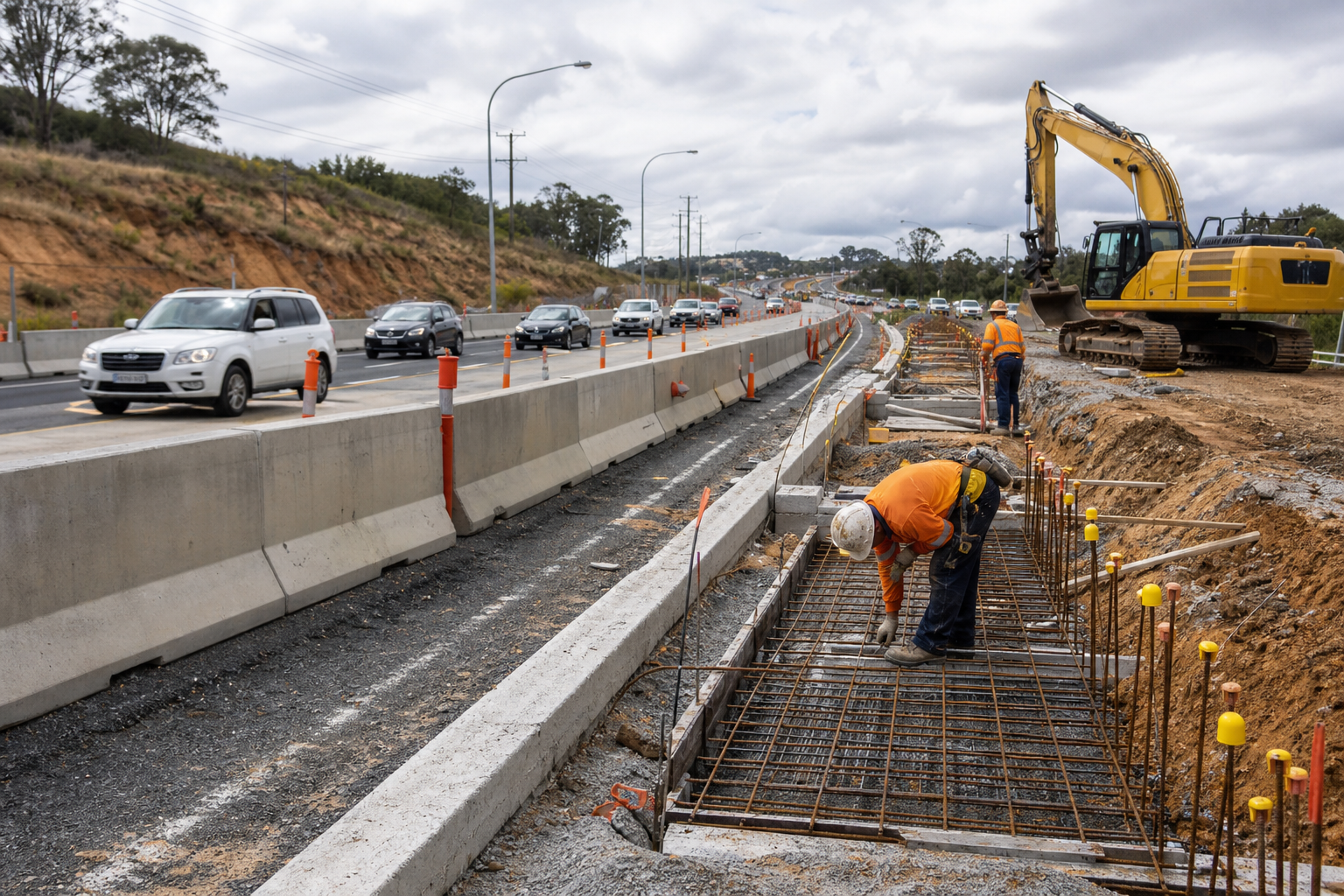
Steel Fixing in Active Road Corridors
Working reinforcement in live traffic environments, night shifts, TMP changes and council inspection requirements across SA civil packages.
Read insight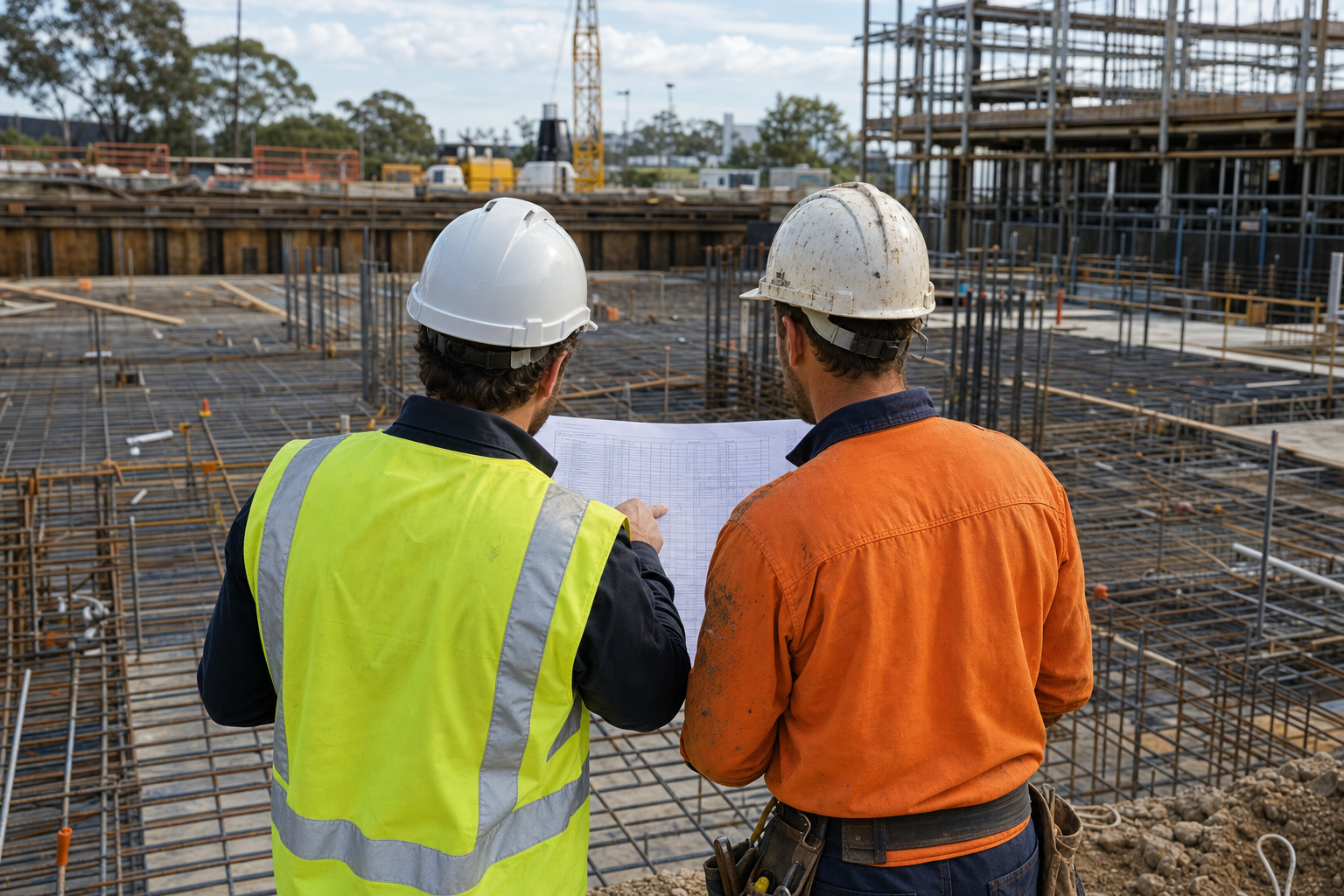
Pre-Pour Readiness: Our Handover Checklist
The structured checks Konstruct runs before we declare a pour zone complete — from lap verification through to tie wire, bracing and cleanliness.
Read insight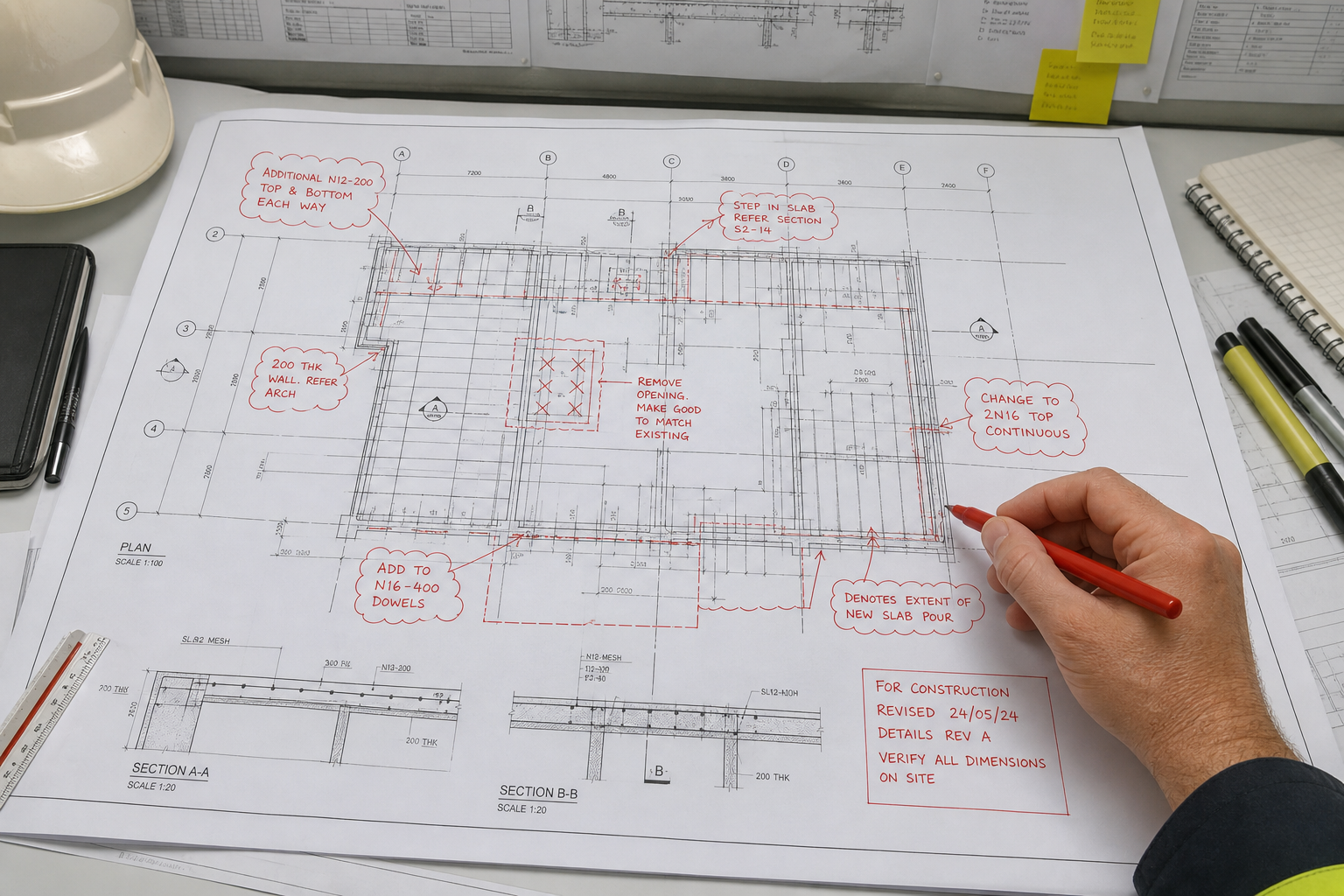
Managing Drawing Revisions Without Programme Slip
How we absorb RFIs and revised reinforcement schedules on active Adelaide sites without losing the pour window or creating rework loops.
Read insight